
In Memoriam: Gary Moore
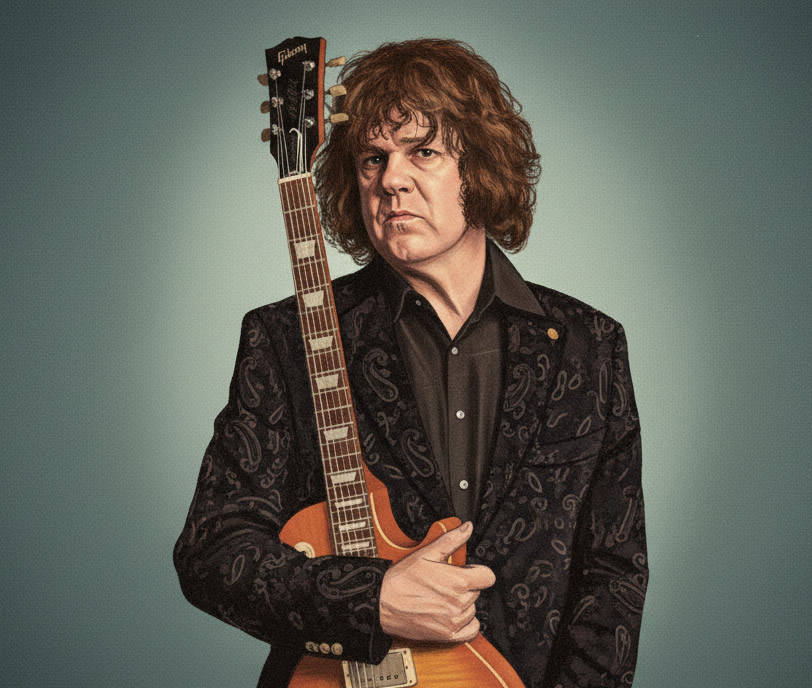
On February 6, 2011, the music world lost one of its most powerful and authentic voices. Robert William Gary Moore, the Belfast-born guitarist whose career spanned over four decades, left behind a legacy that continues to resonate with anyone who values “honest, handmade music.” Whether he was tearing through high-voltage hard rock or coaxing a single, weeping note from a Gibson Les Paul, Moore played with a signature intensity that was impossible to ignore. “Without question, [Moore] was one of the great Irish bluesmen. His playing was exceptional and beautiful. We won’t see his like again.” — Bob Geldof From Belfast to the World Stage Born in Belfast in 1952, Gary Moore’s journey began with a second-hand acoustic guitar and a passion sparked by his father’s showband promotions. Though left-handed, he learned to play right-handed, developing a technical facility that would later earn him the title of “virtuoso.” His early career saw him move to Dublin, where he joined the blues-rock band Skid Row. It was here that he formed a lifelong, though sometimes turbulent, bond with Phil Lynott. This friendship eventually led Moore to Thin Lizzy, where he contributed to the iconic album Black Rose: A Rock Legend. Even in the high-decibel environment of 70s hard rock, Moore’s blues roots were visible—most notably in the co-written masterpiece “Still in Love with You.” Still Got the Blues: A Return to Roots While Moore found massive solo success in the 1980s with hard rock hits like “Run for Cover” and “Out in the Fields,” he famously experienced a musical epiphany in the late 80s. Realizing his true passion lay in the blues, he pivoted away from the Hollywood rock scene to release the landmark album “Still Got the Blues” (1990). This move wasn’t just a career shift; it was a homecoming. Featuring legends like Albert Collins, Albert King, and George Harrison, the album became the most successful of his career and redefined him for a new generation of listeners. He proved that the blues wasn’t just old music—it was living, breathing emotion. The Legacy of the “Greeny” Les Paul No remembrance of Gary Moore is complete without mentioning his connection to Peter Green. The Fleetwood Mac founder was a mentor to Moore, eventually selling him his legendary 1959 Gibson Les Paul (known as “Greeny”). Moore treated the instrument with reverence, using its unique out-of-phase tone to record his tribute album, Blues for Greeny, ensuring his mentor’s influence was never forgotten. Why We Remember Him Gary Moore’s playing was characterized by a rare combination of blistering speed and immense sustain. He didn’t just play notes; he wrestled them into existence. For the BluesPress.com community, he remains a North Star—a reminder that expertise and digital marketing (which he navigated through the transition of the music industry) must always serve the “frequency” of the music itself. As we look toward the future of the blues and events like the Notodden Blues Festival—a place where Moore himself performed and left a lasting mark—we honor the man who reminded us that no matter how far you travel into rock, jazz, or pop, you never truly lose the blues. Career Highlights at a Glance Born: April 4, 1952, Belfast, Northern Ireland. Died: February 6, 2011, Estepona, Spain. Signature Song: “Parisienne Walkways” Key Albums: Still Got the Blues, Back on the Streets, Wild Frontier, Blues for Greeny. Collaborations: Thin Lizzy, B.B. King, Jack Bruce, Ginger Baker, Albert King. Sources & Further Reading: Gary Moore – Wikipedia Gary Moore Obituary – The Guardian Gary Moore Biography – AllMusic
Norsk Bluesunion Opens Applications for Young Artist Grant 2026
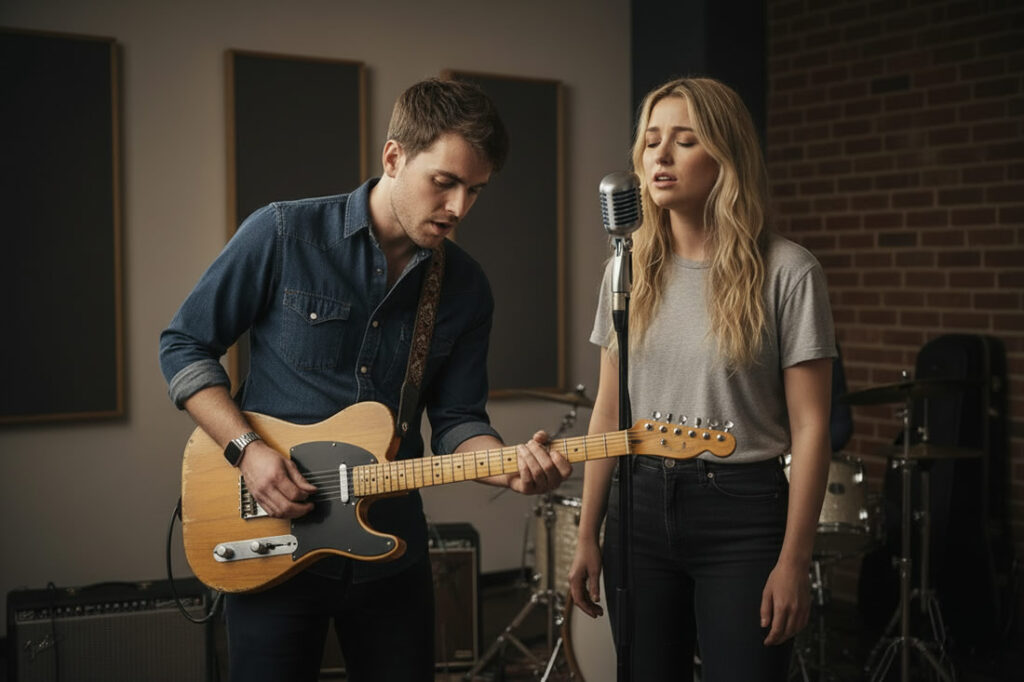
Norsk Bluesunion (NBU) is now accepting applications for its Young Artist Grant 2026, offering a valuable career boost for emerging blues musicians in Norway. The grant is aimed at a young solo artist or band that shows both commitment and a clear desire to grow, and it will be awarded during the Notodden Blues Festival. The initiative is designed to support young performers who work within blues or blues-related music, while also helping open doors into the wider Norwegian blues community. What the recipient will receive The artist or band selected for the NBU Young Artist Grant 2026 will receive: NOK 30,000 for the production or promotion of their own music Live performances organized and promoted by Norsk Bluesunion One recording day at Juke Joint Studios in Notodden A suitable musical mentor for pre-production Guidance in developing a press kit Mentoring in navigating the music industry Taken together, the package offers more than financial support. It is structured as a practical development opportunity, combining funding, visibility, mentoring, and professional guidance. Who can apply Applicants must: be based in Norway consider blues a relevant genre for themselves and their music apply either as an individual artist or as a band Norsk Bluesunion notes that the grant is intended to motivate the recipient, increase visibility in the blues environment, and serve as a gateway into the Norwegian blues scene. While the opportunity is open more broadly, NBU says it especially encourages applicants under the age of 26 to apply. What to include in the application Applications must be submitted by email and should include: a short biography including full name, age, place of residence, and whether the applicant is in school or similar education/training a photo which must be usable in NBU’s channels if the grant is awarded a short motivation letter explaining how receiving the grant would help the artist or band and how the grant money would be used two audio clips in .mp3 or .wav format that reflect the project as clearly as possible Studio-quality recordings are not required, but the material should make it possible for the jury to hear the songs and the artist’s musical identity clearly. Applicants are also encouraged to include links to relevant social media or media coverage, if available. Important deadline Applications must be sent to: post@norskbluesunion.no Deadline: 15 May 2026 NBU also notes that the grant can only be awarded to the same recipient once. A door-opener for the next generation The applications will be evaluated by a jury assembled by Norsk Bluesunion, made up of key figures from the Norwegian blues field. The grant is clearly positioned not only as a financial award, but as a launching platform for young blues talent. For aspiring artists looking to strengthen their profile, record new material, and build real connections in the blues world, this could be a meaningful opportunity to take the next step. Please contact NBU for more details.
The Father of the Chicago Sound: Remembering Muddy Waters
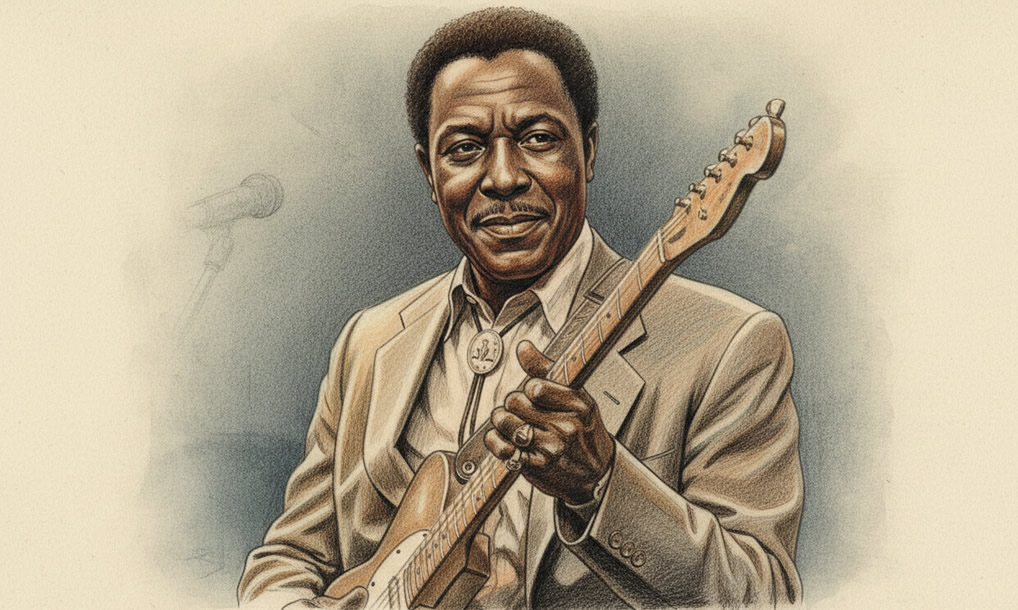
Yesterday marked the birthday of Muddy Waters, one of the towering figures in American music and a true architect of modern blues. Born McKinley Morganfield on April 4, he became far more than a great singer or guitarist — he became a bridge between the raw, haunting sound of the Mississippi Delta and the electrified power of Chicago blues. Muddy Waters helped reshape the blues for a new era. By bringing the music from the rural South into the clubs of Chicago and giving it an amplified, urgent sound, he created a style that would echo far beyond the blues itself. Songs like Hoochie Coochie Man, I Just Want to Make Love to You, and Got My Mojo Working did not simply become classics; they helped define the language of modern popular music. His impact on the world of blues is immeasurable. Muddy gave the blues strength, swagger, depth, and electricity. He opened the door for generations of musicians, and his influence reached into rock music as well, inspiring artists in both America and Britain — even the Rolling Stones took their name from one of his songs, “Rollin’ Stone” (Wikipedia). To remember Muddy Waters is to remember a man who carried the soul of the Delta into the modern world. His voice, his groove, and his electrifying presence helped shape the very foundation of modern blues, leaving a legacy that still moves through every generation of artists who follow. His spirit is not only remembered — it is still alive in the music. “There was quite a few people around singing the blues, but most of them was singing all sad blues. Muddy was giving his blues a little pep.” – Willie Dixon
The Frequency of the Blues: A Personal Journey into the Heart of the Community
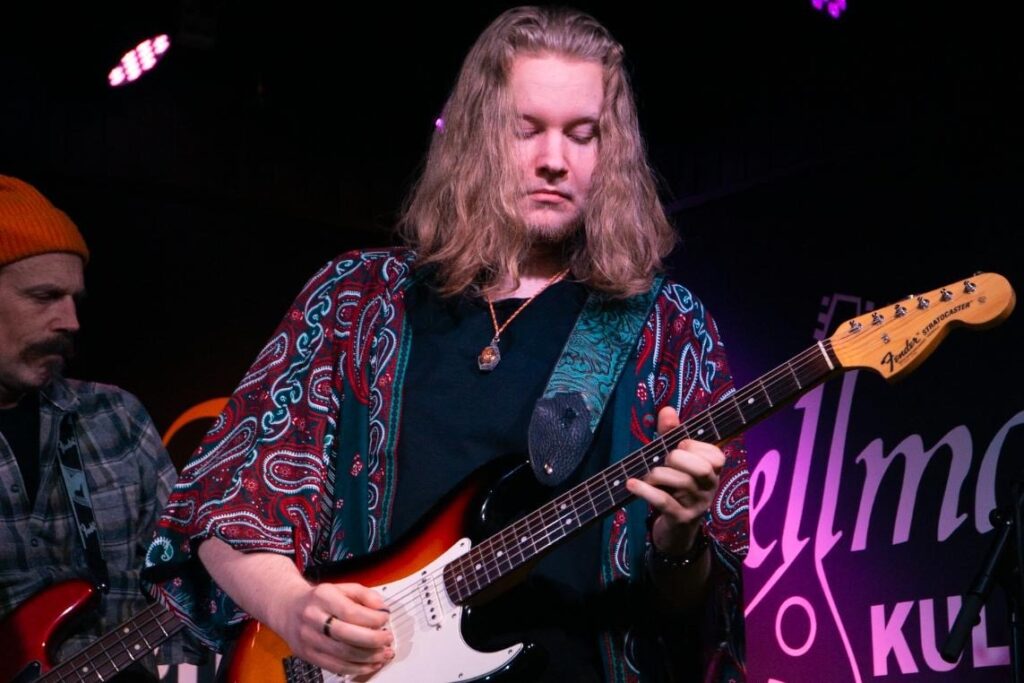
They say the blues finds you when you’re ready. For me, it didn’t come through a radio or a record collection, it came through the transformation of my son, Alexander. As someone who has spent over 30 years exploring spiritual consciousness and the science of human frequency, I have always been fascinated by what causes a person to truly “step into their power.” I’ve seen it in meditation, in healing, in coaching, and in life. But I had never seen it happen quite like it did when Alexander stepped into the arena of the blues. The Magic of the Transformation Watching Alexander’s journey from where he was to who he is becoming has been nothing short of magical. I watched him move from the quiet exploration of a student to the grounded presence of a musician. Through programs like Little Steven’s Blues School and the USN Blues course in Notodden, I saw him enter a lineage. It wasn’t just about learning chords; it was about finding a frequency. I watched the music act as a catalyst for his own nervous system to regulate, for his confidence to anchor, and for his spirit to open. In the blues, he found a home that demanded honesty, and in response, he grew. Meeting the Heart of the Community Through Alexander’s journey, I was pulled into the orbit of the blues community. I began to meet the artists, some directly as mentors to my son, some as co-creators, and others from the distance of a fan’s perspective. What I found was a “precious heart” that exists across this entire community. Whether it is a living legend who has toured the world for fifty years or a young player just finding their voice, there is a shared frequency of integrity. These are people deeply connected through the magic of music, carrying a weight of history while remaining entirely present in the moment. Why I Built BluesPress As my passion grew, I realized that my own expertise, 25 years of building websites and online marketing, was a tool I could offer back to this community. I saw a gap. I saw incredible artists, both young and established, who were doing profound work but lacked the digital visibility they deserved. I saw a need for a bridge, a professional, high-frequency platform that could honor the legends who paved the way (both those still with us and those who have passed) while actively supporting the artists building the present and future of the blues. BluesPress.com exists because the blues is a living history. It exists to support the visibility of current artists and to make the “arena” approachable for the next generation. We aren’t just documenting music; we are supporting a community that heals, connects, and elevates everyone it touches. I am not a playing musician myself (yet), but I know how to build a stage, an online platform, and things to come with it. And through BluesPress, I am honored to build a digital stage for the music that changed my son’s life, and mine, and so many others.
